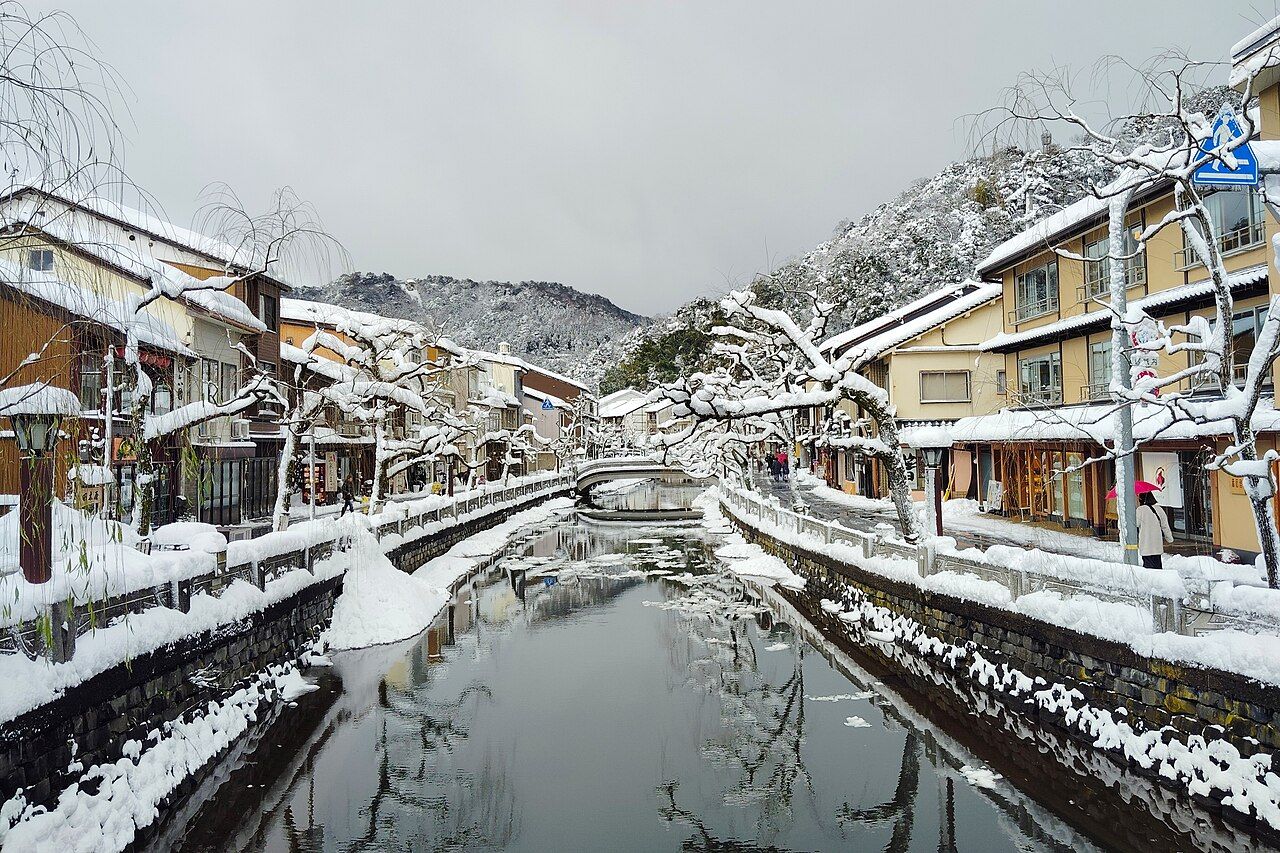
The willow-lined Otani River in Kinosaki Onsen, Hyogo

Onsen · Private baths · Sauna — Kansai, Japan

Tattoo-friendly onsen in Kansai — confirmed, dated, sourced.

Onsen, private-bath ryokan and sauna across Kansai, Japan — every tattoo policy recorded with its source and the date we checked it. Every listing is confirmed from official sources; where officials stay silent, the page says Not confirmed. We never guess.

Search facilities How we verify

104facilities10areas6prefecturesEvery policy sourced & dated

Kinosaki Onsen, Hyogo. Photo: 663highland, CC BY-SA 3.0, via Wikimedia Commons. Resized.

Browse by prefecture

Hyogo 兵庫県

  • Kinosaki 城崎温泉 (9 facilities)

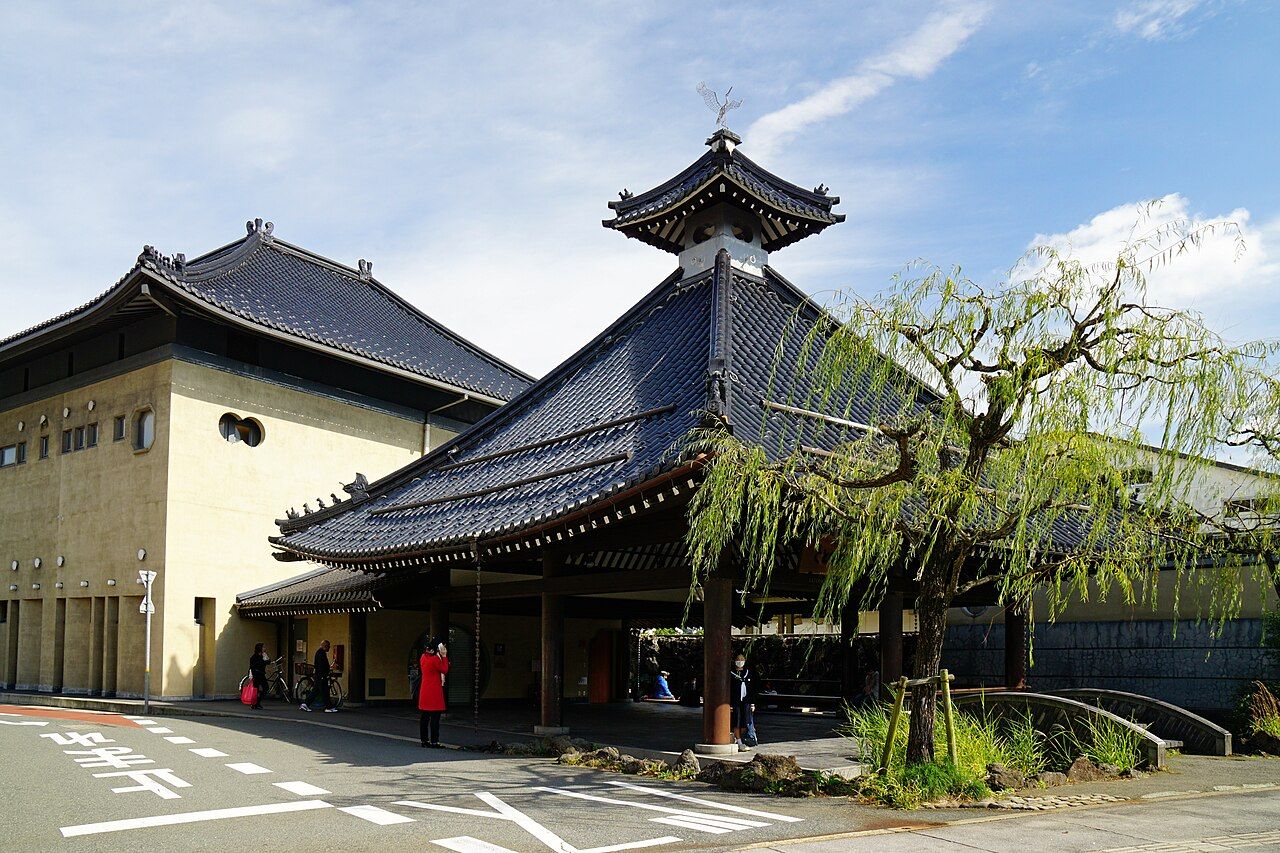
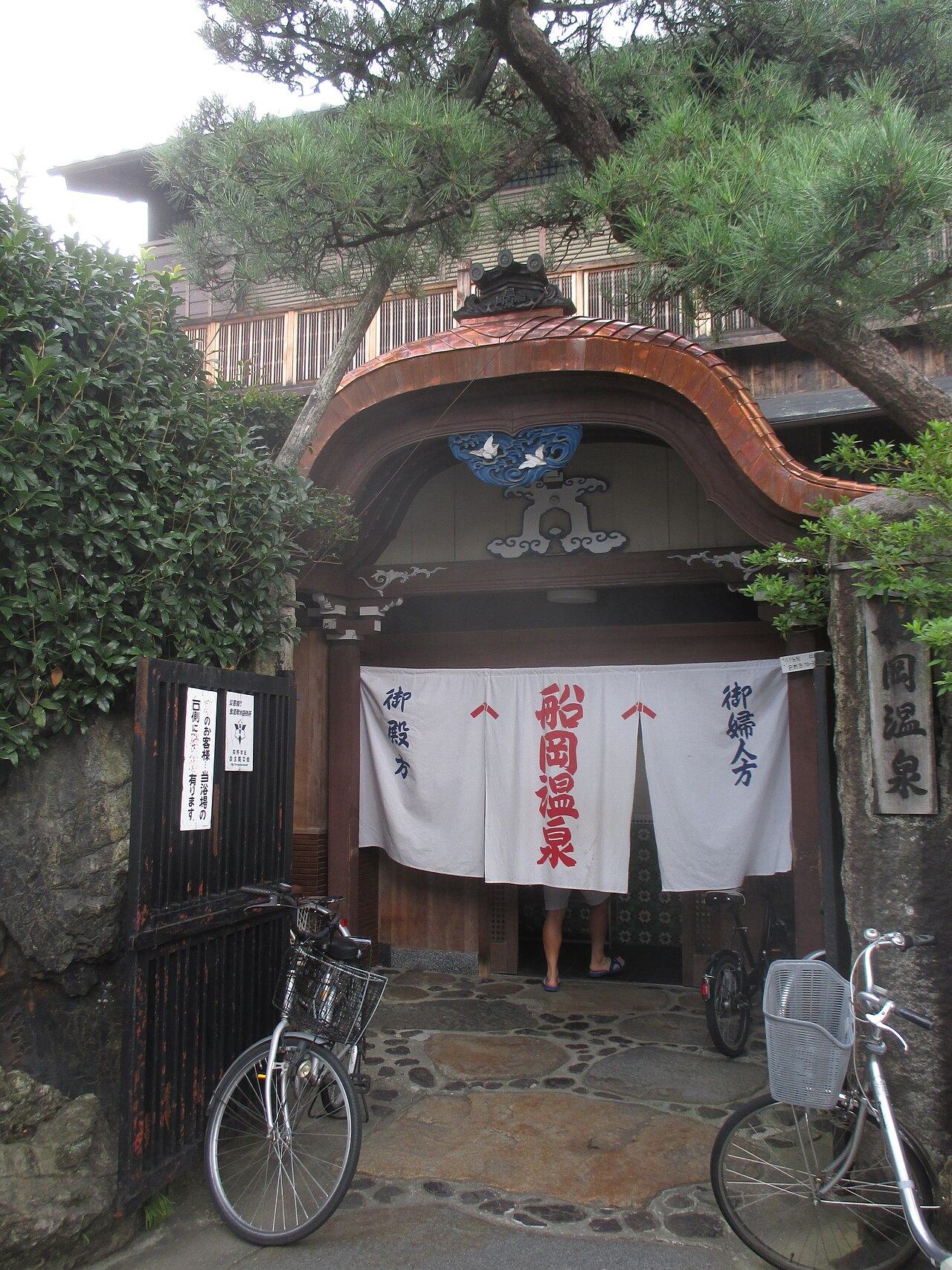
    Seven public baths (sotoyu), all officially tattoo-friendly — and two ryokan whose own official pages welcome tattoos as well (Yamamotoya and Nishimuraya Hotel Shogetsutei). Other inns publish no rule, so we do not list them.

  • Arima 有馬温泉 (5 facilities)

    Kin no Yu and Gin no Yu state no tattoo rule, so both are shown honestly as “Not stated”. The big day-use spa Taikou no Yu and two grand hotels (Hyoe Koyokaku and Ginsuiso Choraku) refuse tattoos in their official wording — Choraku points tattooed guests to its paid private open-air bath instead.

  • Kobe 神戸市内 (23 facilities)

    Two big institutions that refuse tattoos outright (the waterfront hot-spring hotel Kobe Minato Onsen Ren; Kobe Sauna & Spa by Sannomiya), one conditional exception at Harborland's Manyo Club — and a working set of neighbourhood sento: the Nada Onsen pair, Minatoyama Onsen and seventeen more known from Kobe City's official bathhouse list, most of which publish no tattoo rule at all.
All of Hyogo →

Osaka 大阪府

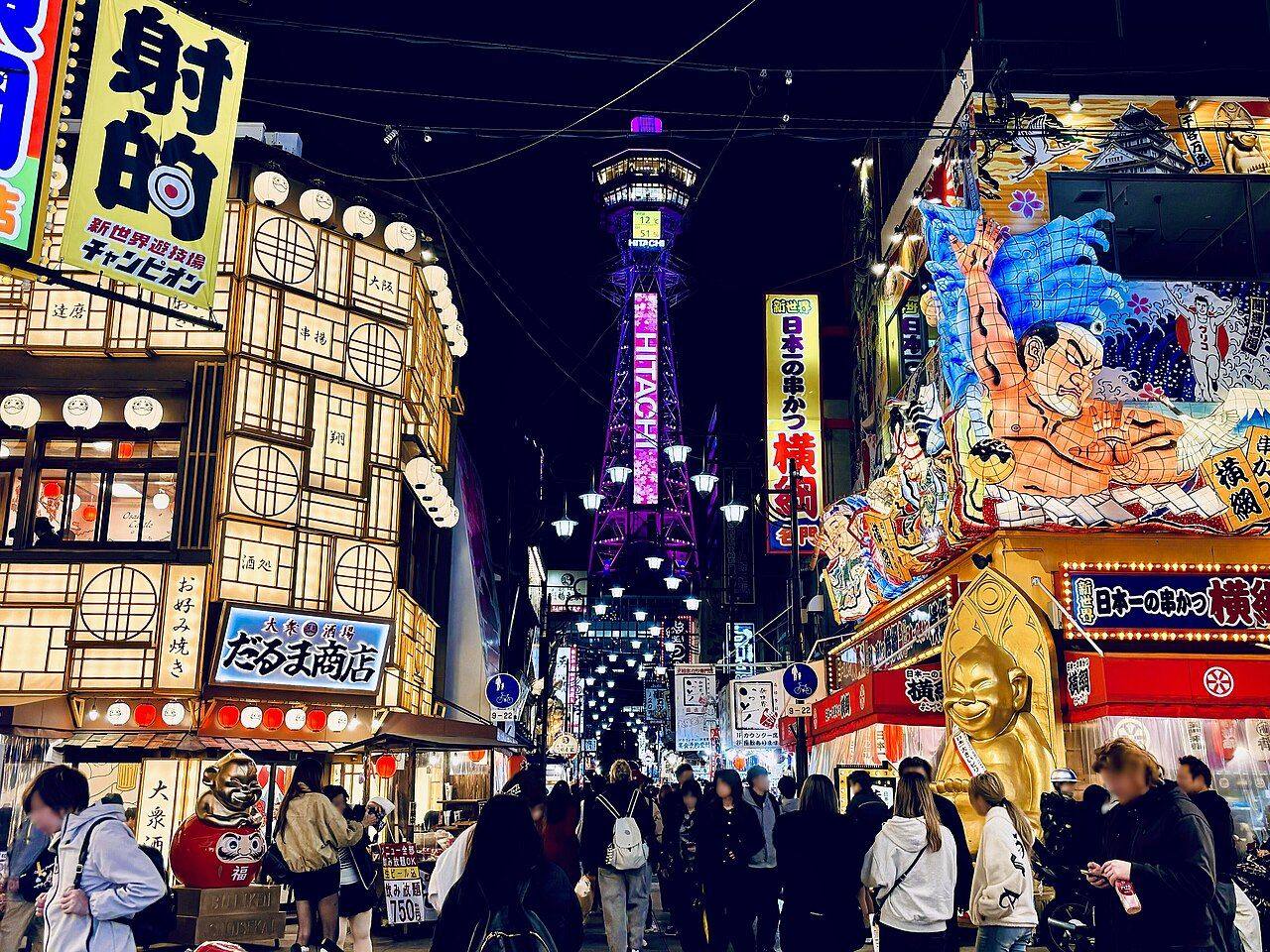
  • Osaka City 大阪市内 (21 facilities)

    Twenty-one stops checked against their official rules: Solaniwa Onsen accepts tattoos under its own cover stickers, Osaka Sauna DESSE runs official Tattoo Days, two city sento (Utopia Shiratama Onsen and Tatsumi Onsen) welcome tattoos outright, and Minoh Onsen Spa Garden, just north of the city, admits tattoos fully covered by its own seals. Twelve big baths refuse them outright — Spa World and Naniwa no Yu among them — and four publish no rule.

All of Osaka →

Kyoto 京都府

  • Kyoto City 京都市内 (19 facilities)

    Sento culture old and new: Tama no Yu, an 1894 bathhouse whose own site says “Tattoo OK!”; Takenosato's Manyo no Yu; and Daikoku-yu in Higashiyama, whose official FAQ says tattooed guests are very welcome. Ohara no Sato admits tattoos kept covered with a towel. Four refuse outright — the Fushimi super sento Chikara no Yu, Nizaemon no Yu, Hanano Yu and the men-only sauna Rumor Plaza — and eleven publish no rule at all, listed honestly as “Not stated”.

  • Arashiyama 嵐山・嵯峨野 (2 facilities)

    Two day-use hot springs for Kyoto's western sightseeing district. Both publish the same clear answer on tattoos: not allowed, even covered.

  • Kurama 鞍馬 (1 facility)

    A mountain temple village north of the city, and the one Kyoto-area spring whose official FAQ explicitly welcomes tattooed guests.

All of Kyoto →

Nara 奈良県

  • Nara 奈良 (10 facilities)

    Mostly big suburban super sento — and the strictest picture in Kansai so far. Of the ten facilities checked across the prefecture, only Nara Kenko Land in Tenri admits tattoos, fully covered with its own seals. Five refuse outright, and four publish no rule, including Ikoma's Oto no Hana Onsen and the Gose sento Hoyu.

All of Nara →

Shiga 滋賀県

  • Otsu & Ogoto 大津・おごと温泉 (9 facilities)

    Ogoto Onsen, on Lake Biwa's western shore twenty minutes from Kyoto: seven of the nine facilities checked refuse tattoos outright. The exception is the ryokan Yuzanso, whose official Q&A makes a special case for overseas guests whose tattoos are hidden by cover seals; Yumotokan publishes no rule.

All of Shiga →

What makes this site different

1. Kansai, checked against official sources

Kinosaki's public baths, Arima's two springs, Osaka's sauna and sento — every policy read from an official page, quoted and dated, never copied from other guides.

2. All the way to a booking

How kashikiri booking works, what a stay really costs with tax, and links to the exact room type.

3. Onsen + sauna, one search

Hot-spring towns and city sauna in a single filterable database, built for trips based in Osaka and Kyoto.

The onsen daydream

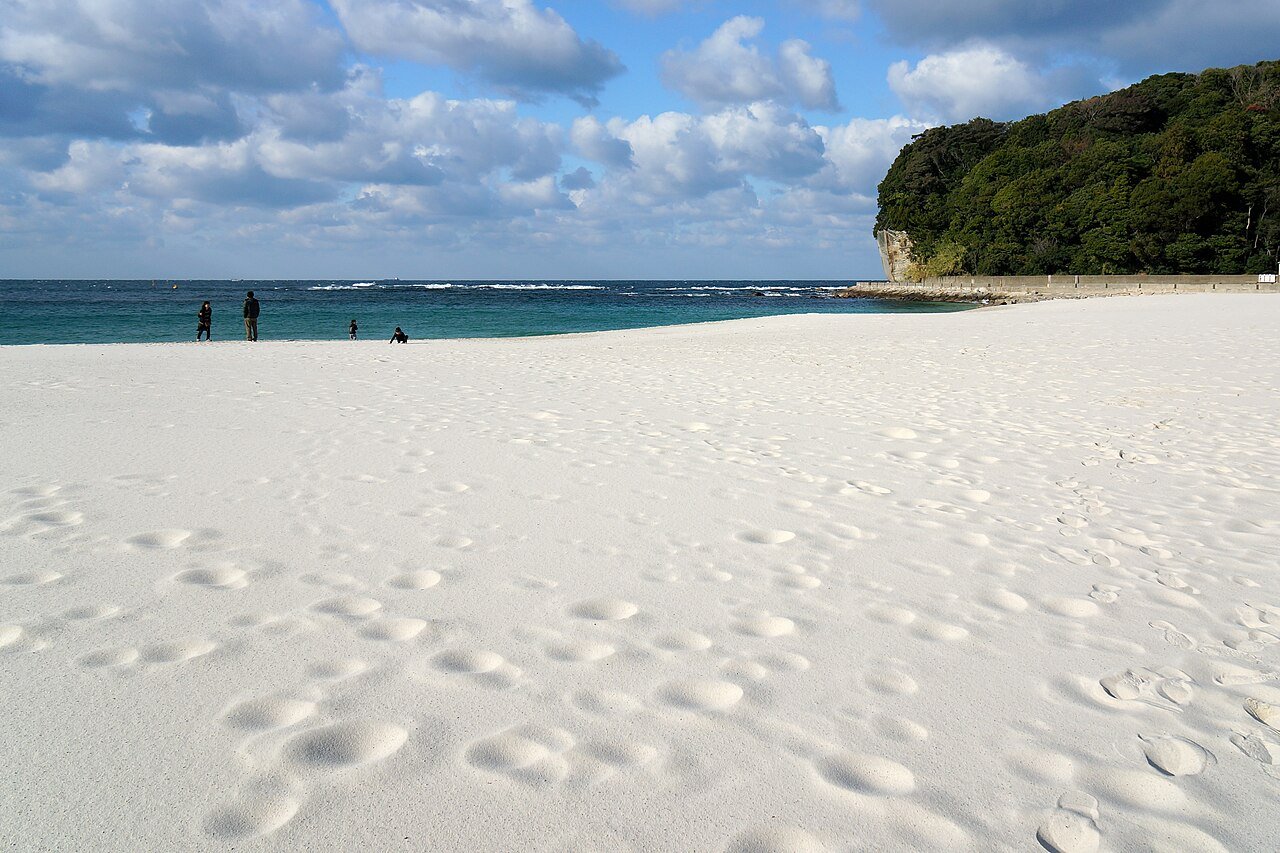
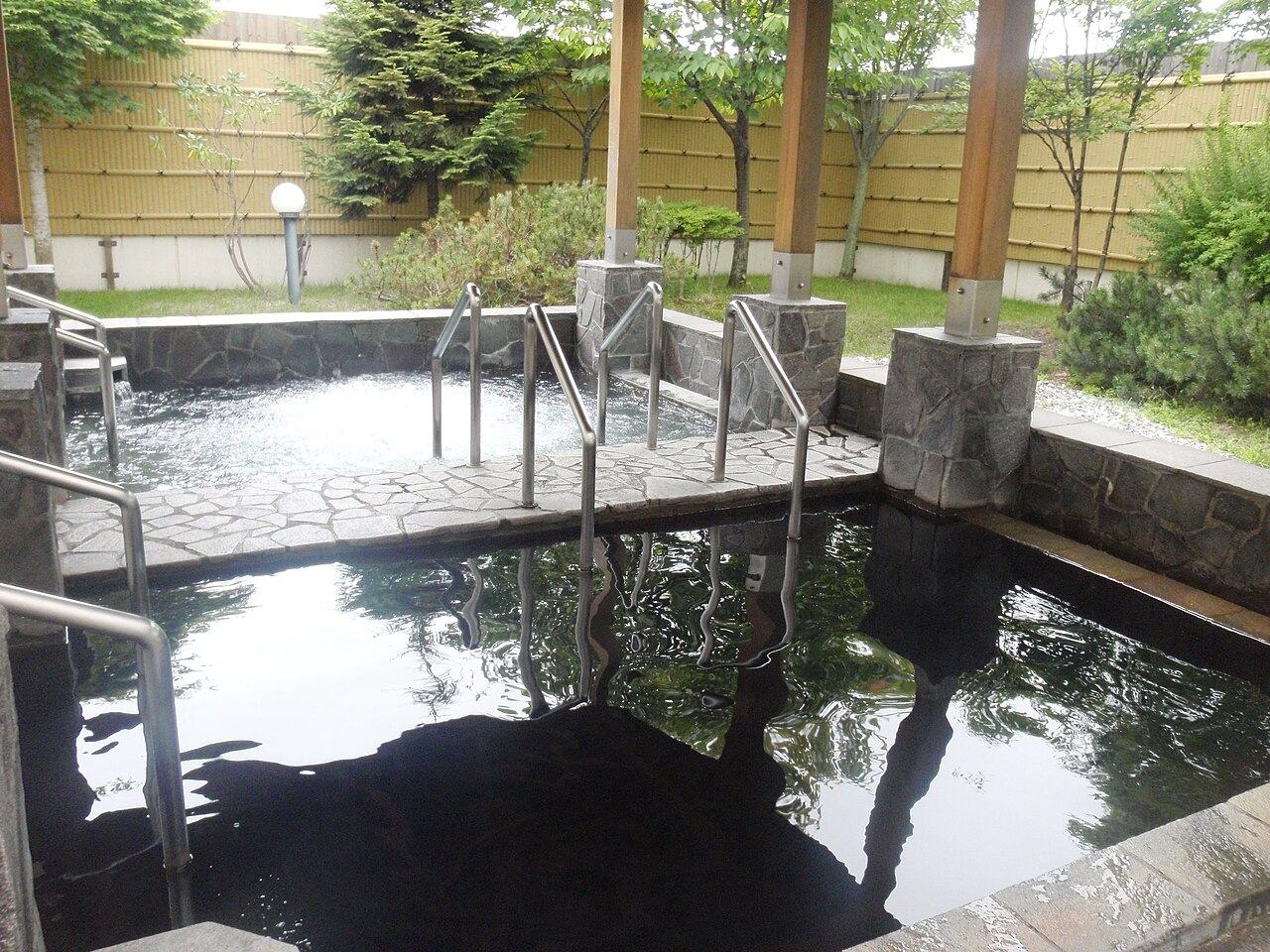
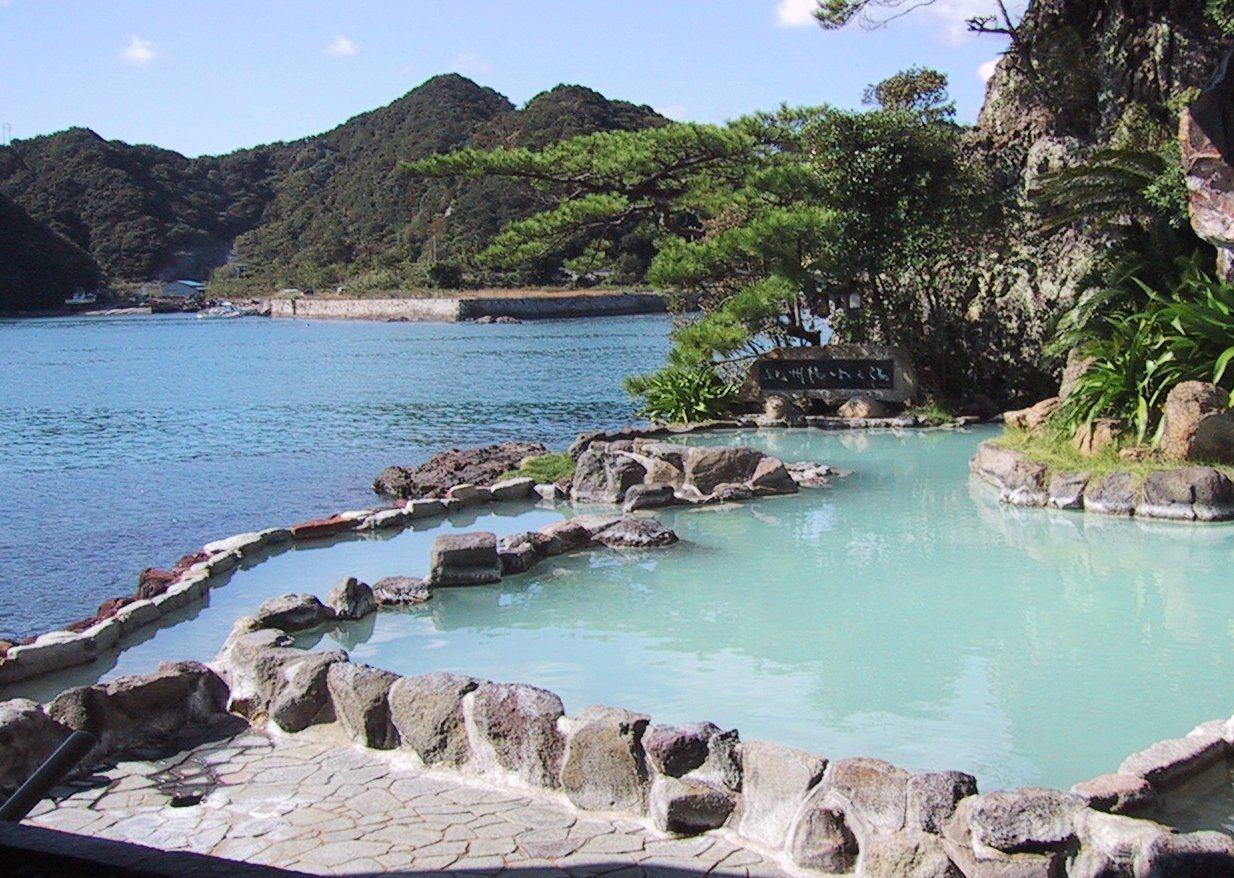
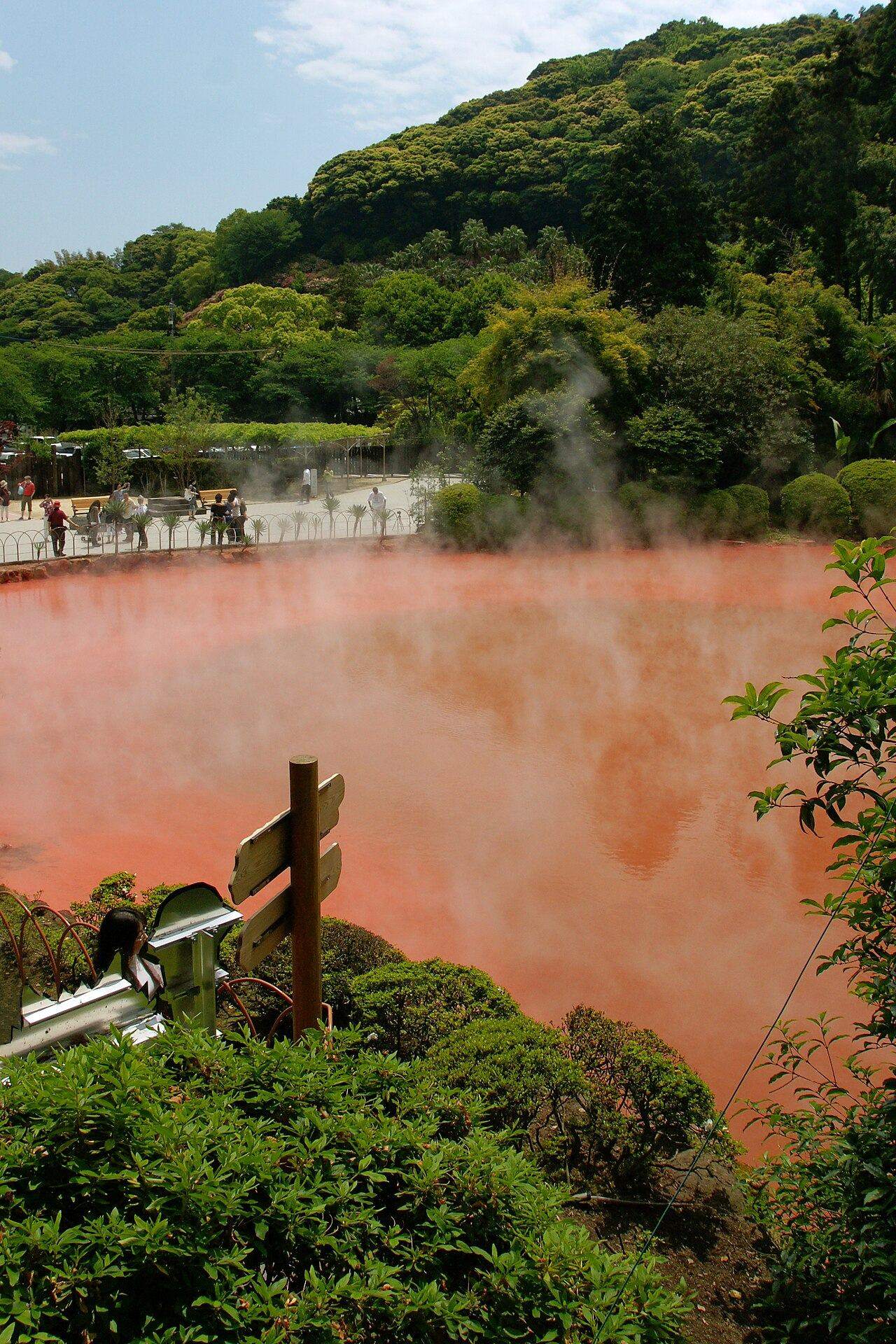
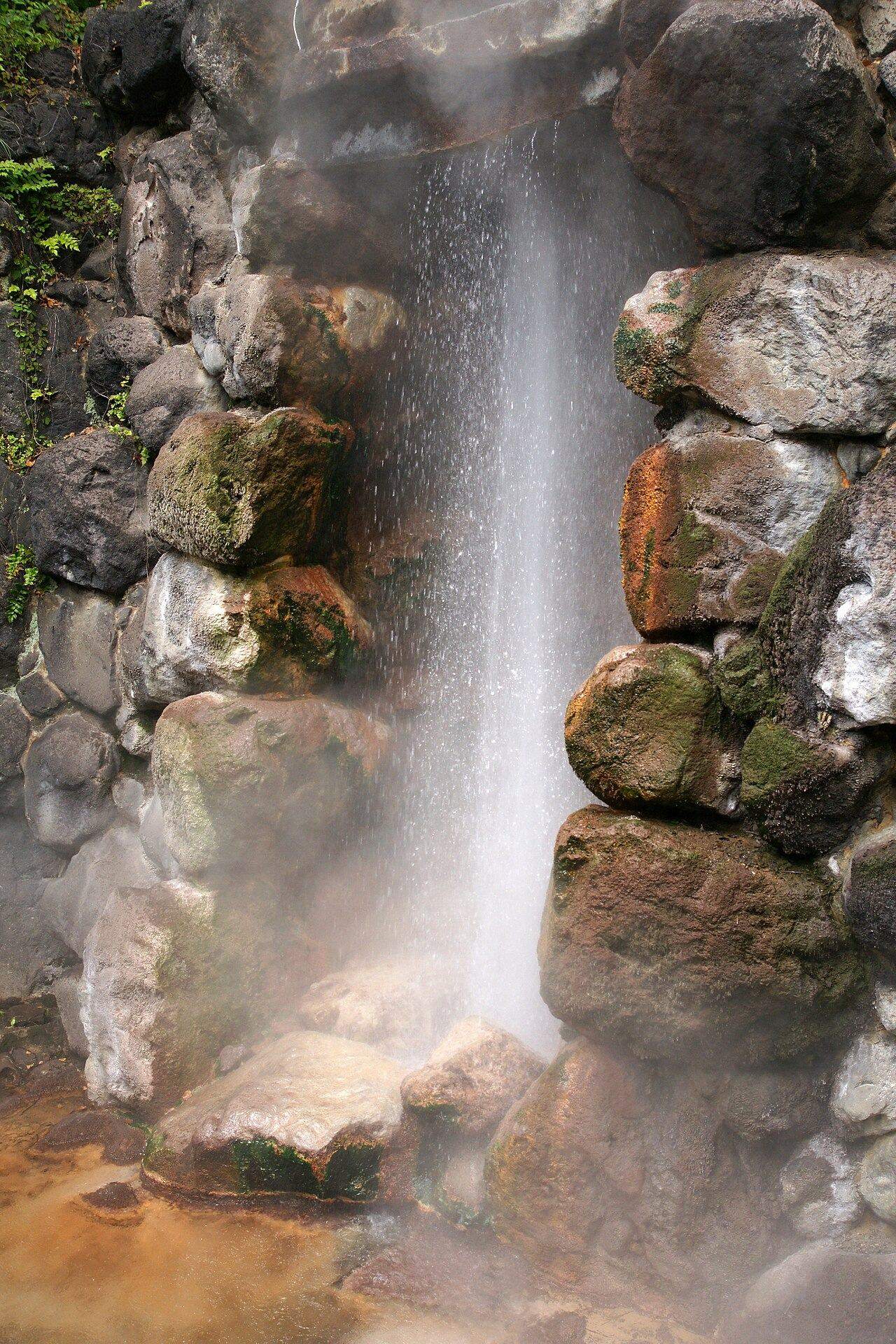
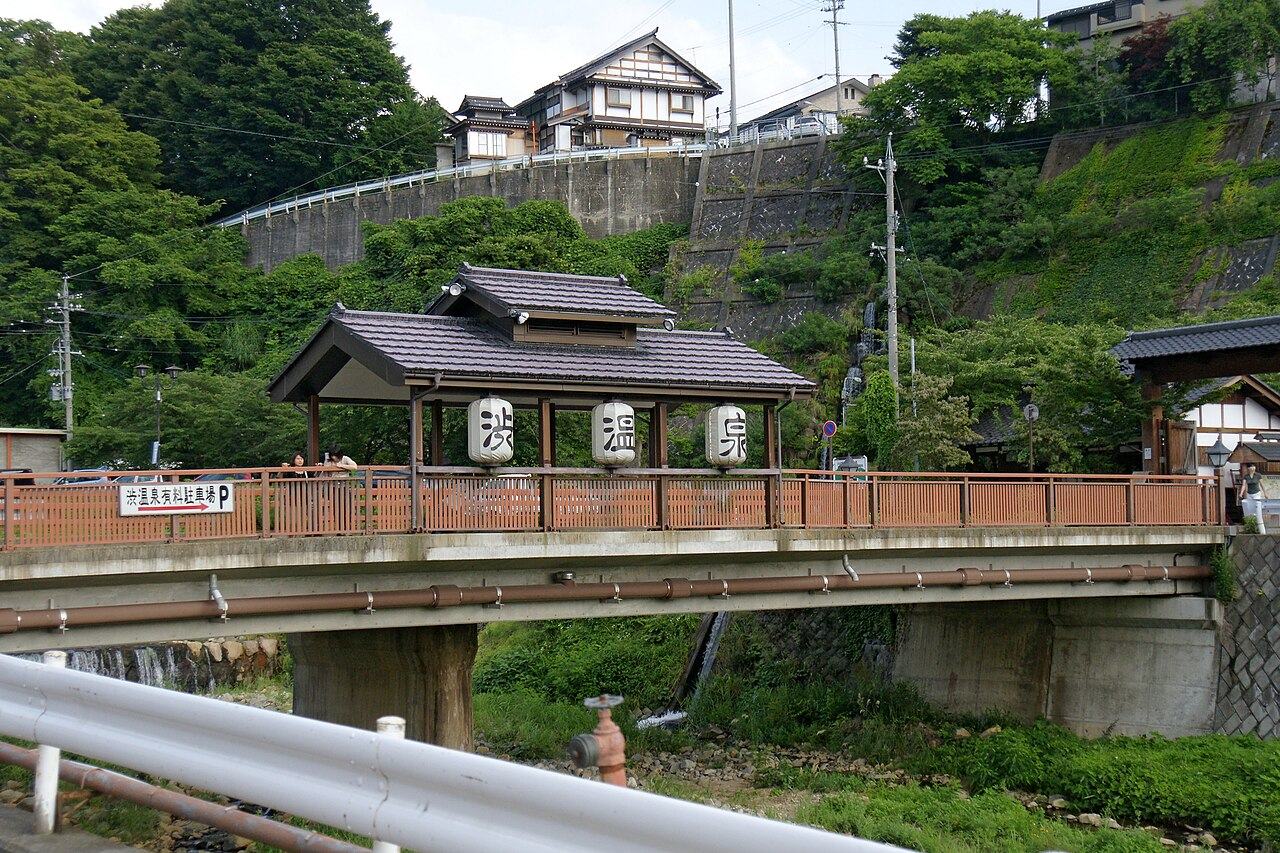
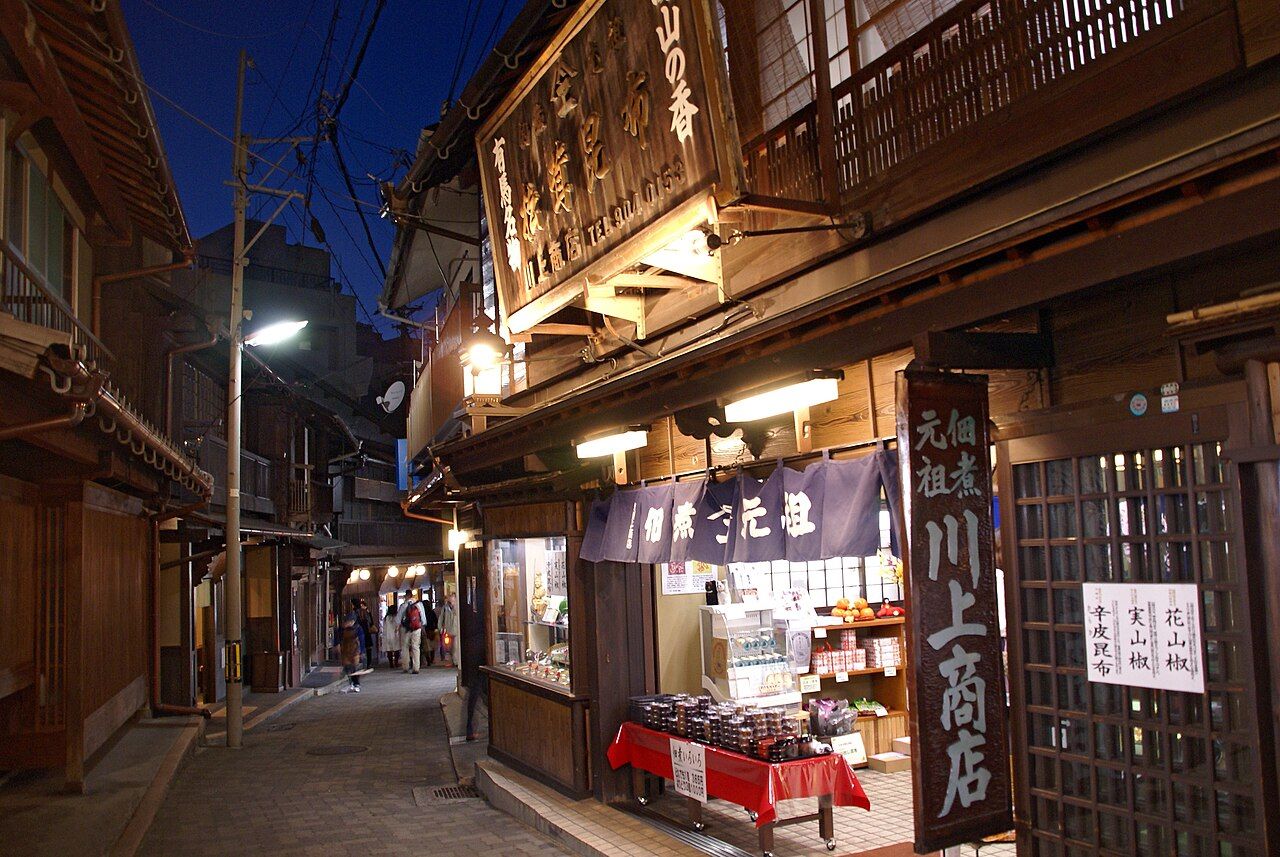
Steam, open-air baths and yukata streets: scenes from hot-spring country around Japan — the world our Kansai listings are part of. Each caption names the place; none of these photos shows a facility listed on this site.

Guides

Latest confirmed facilities

Yamamotoya 山本屋

Tattoos welcomeOfficial source · 2026-11-22

Hyogo · Kinosaki · Ryokan / hotel · Overnight ryokan; private bath JPY 1,100 for 40 minutes

Private bath: Private bath (kashikiri) available · Sauna: Not confirmed

Details & sources →

Search and filter all facilities →

Frequently asked questions

Are tattoos allowed in Japanese onsen?

At most of them, no — the majority of communal baths in Japan still refuse tattooed guests, although the number that welcome them is growing. There is no national rule: each facility decides for itself, and policies range from a full welcome, to entry with tattoos covered, to a complete refusal. Every facility on this site carries the policy we confirmed from its official source, together with the date we checked it — start with the facility search and filter by tattoo policy.

What does “Not stated” mean on this site?

It means we read the facility's official pages and found no tattoo rule written there. It is not a yes, and it is not a no — the facility has simply never published its policy. We publish that honestly as “Not stated” instead of guessing, and the facility page shows the official sources we read and the date we read them. If you have tattoos, treat “Not stated” as unknown and ask the facility before you travel.

Can I cover my tattoo with a seal or sticker?

It depends entirely on the facility. Some publish a cover system: Solaniwa Onsen in Osaka lets you bathe if your tattoos are fully covered by the cover stickers it sells, and the Nanki-Shirahama Marriott Hotel allows bathing when a tattoo is fully hidden by up to two of its 8 cm × 10 cm cover seals. Others refuse covered tattoos too — Fufu no Yu in Arashiyama refuses tattoo stickers as well, and Tenzan no Yu does not allow bathing even if a tattoo is covered. There is no general rule, so check the individual facility page: we quote each facility's own wording there.

What is a private bath (kashikiri), and why does it help if I have tattoos?

A kashikiri is a bath your group reserves for yourselves, for a set time, instead of sharing the big communal bath. Because you are not bathing alongside other guests, some facilities that refuse tattoos in the main bath make an exception for a private bath — which is why this site has a separate “Private bath only” label. It is never an automatic yes, though: the rule is still each facility's own, and some publish no private-bath exception at all. Each facility page states what its official source actually says.

Are there tattoo-friendly onsen near Osaka?

Yes. Inside the city, Solaniwa Onsen accepts tattooed guests whose tattoos are fully covered by its own stickers, and Osaka Sauna DESSE in Shinsaibashi admits tattoos uncovered on its official Tattoo Days — Wednesdays to Saturdays and public holidays. About two and a half hours away, all seven public baths in Kinosaki Onsen accept tattoos of any size with no cover needed — the surest option in Kansai. Kurama Onsen, in the mountains north of Kyoto, also welcomes tattoos, according to its official FAQ. Arima Onsen is closer — about an hour — but its two public baths state no tattoo rule, so we list them as “Not stated”. Our guide to onsen near Osaka puts the options side by side.

Do I need to book a ryokan to use a private bath?

Not always. Some private baths are rented to day visitors: Solaniwa Onsen in Osaka, for example, rents private open-air baths by the room for 90 minutes, on top of the entry fee. Others are for staying guests only — the private baths at the Nanki-Shirahama Marriott Hotel are priced for guests staying at the hotel. Where a facility publishes how its private bath works, the facility page says so; where it does not, we mark it not confirmed rather than guess.

See all FAQs →